Production method
From ripe plum to a rounded premium brandy
Production is based on control, selection, and patience — from orchard to barrique cask.
Introduction
A process that preserves the aroma of fruit
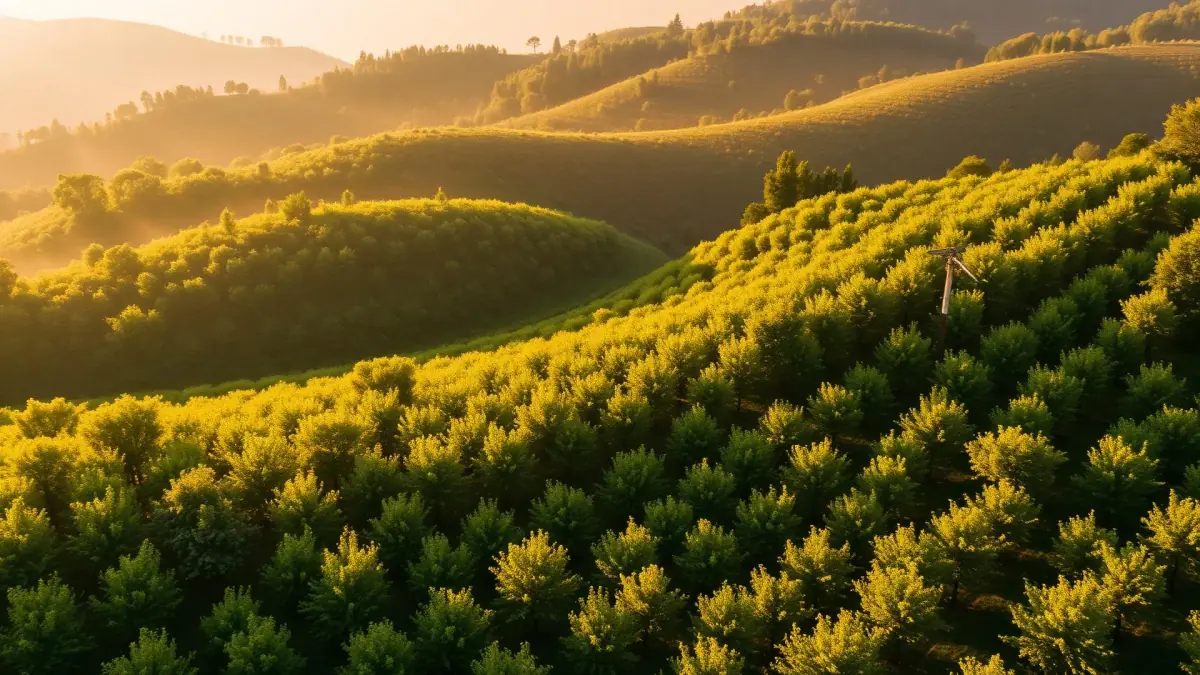
Good brandy begins in the orchard. Fruit is picked when it offers the best balance of sugar, acidity, and aromatic compounds. This sets the foundation for a clean, fruity, and balanced distillate.
Fermentation is controlled, with careful selection of yeasts and enzymes to preserve what is most valuable in the fruit. After distillation, the brandy does not go straight into the bottle — time in the cask is what gives it body, color, and composure.
01 · Harvest
Healthy, ripe fruit is selected, because the quality of raw material directly determines the aroma, purity, and future character of the brandy.
02 · Fermentation
Fermentation takes place under controlled conditions, using procedures that ensure stability, full flavor, and preservation of the fruit character.
03 · Distillation
Distillation extracts the finest aromatic components. For classic šljivovica, separate mono-distillates are later carefully blended.
04 · Aging
The brandy matures in barrique casks of sessile oak. The cask adds softness, golden color, and discreet notes of wood, vanilla, and dried fruit.
Highlight
Barrique casks of sessile oak
Aging in oak is not merely a technical step, but a period in which the brandy gains roundness. Sessile oak contributes elegance, structure, and a warm finish without overshadowing the natural aroma of plum.
Key stages of quality control
Selection of fruit at full ripeness
Controlled fermentation
Separate distillation by raw material and variety
Blending of mono-distillates for final balance
Aging from 3 to 5 years depending on the brandy
Next step
Compare the two brandies
Classic plum brandy and dried plum brandy have different characters, but share the same approach to quality.
View the range